
A book & a philosophy for learning
Knowing is only
the beginning.
Give people something worth deciding.
And the room to learn from what happens next.
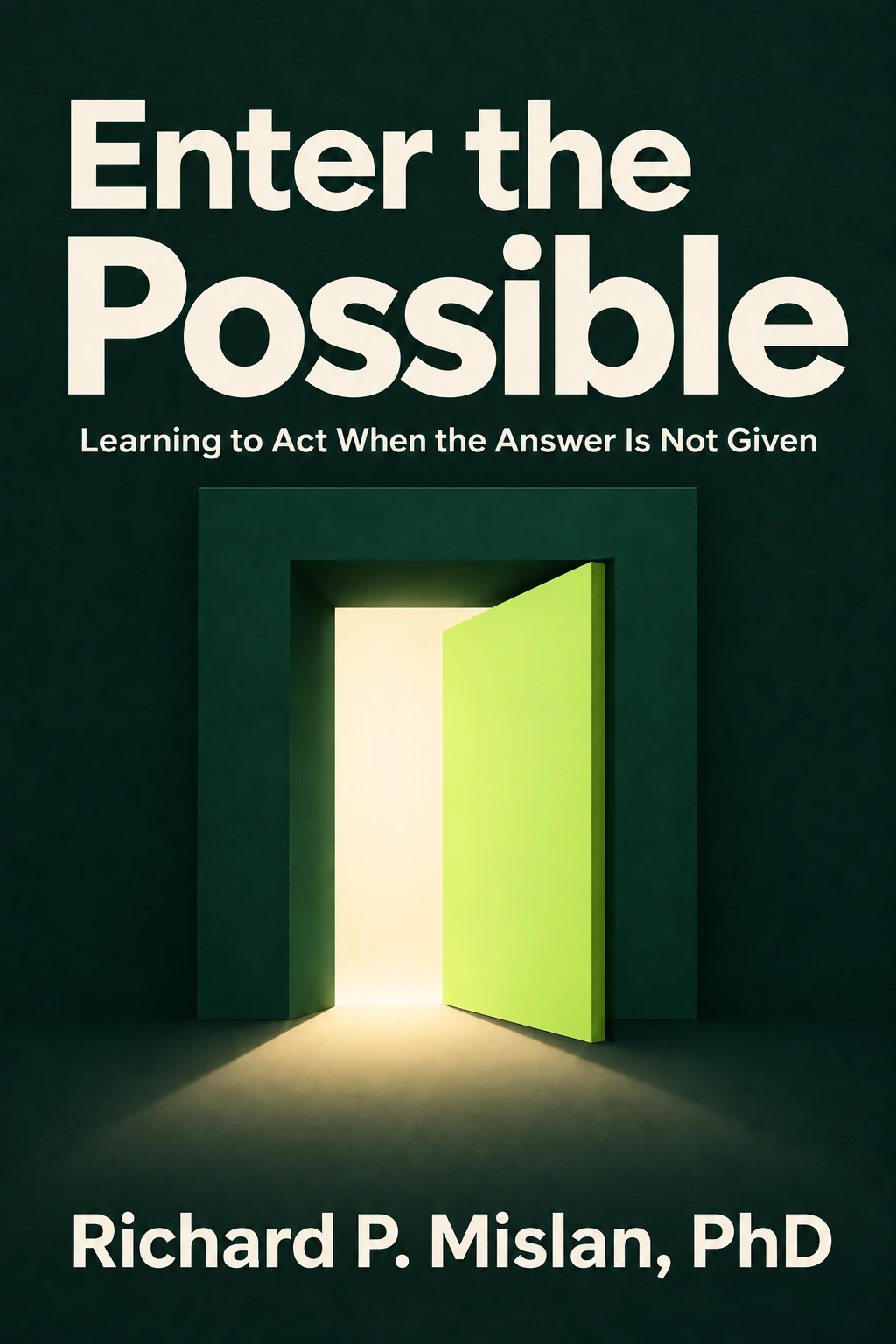
Enter the Possible connects knowledge with judgment, meaningful action, and the right to rehearse.
without an answer key.
 A shared situation. Different perspectives. A decision to make.
The idea at the heart of ETP
The right
to rehearse.
Before we ask people to carry responsibility, we can give them supported opportunities to practice it.
That means more than knowing the material. It means noticing what matters, listening to another perspective, making a choice, and returning to it when the situation changes.
A fictional situation can make room for real reasoning.
Step into the opening sceneFour lenses. More possibilities.
Give knowledge
a place to work.
Explore, Exchange, Express, and Experience help us design learning with something at stake. Use them together, return to them, and let one deepen another.
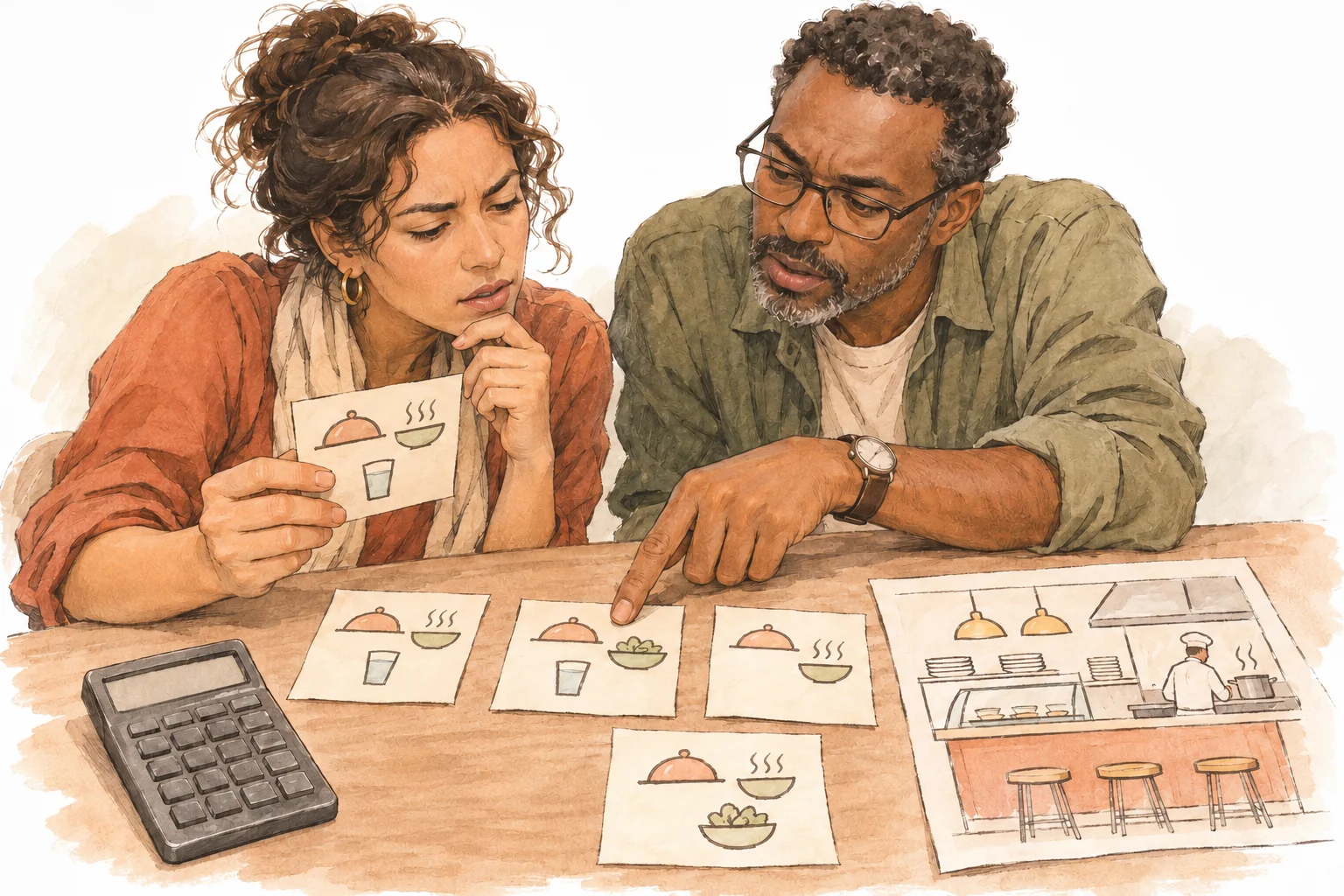
Notice what matters.
Investigate the evidence, identify what is missing, and examine the assumptions shaping the situation.
“What do we know—and what are we taking for granted?”

Let another perspective matter.
Listen, question, and compare interpretations with people who know or need something different.
“Whose view could change how we understand the problem?”
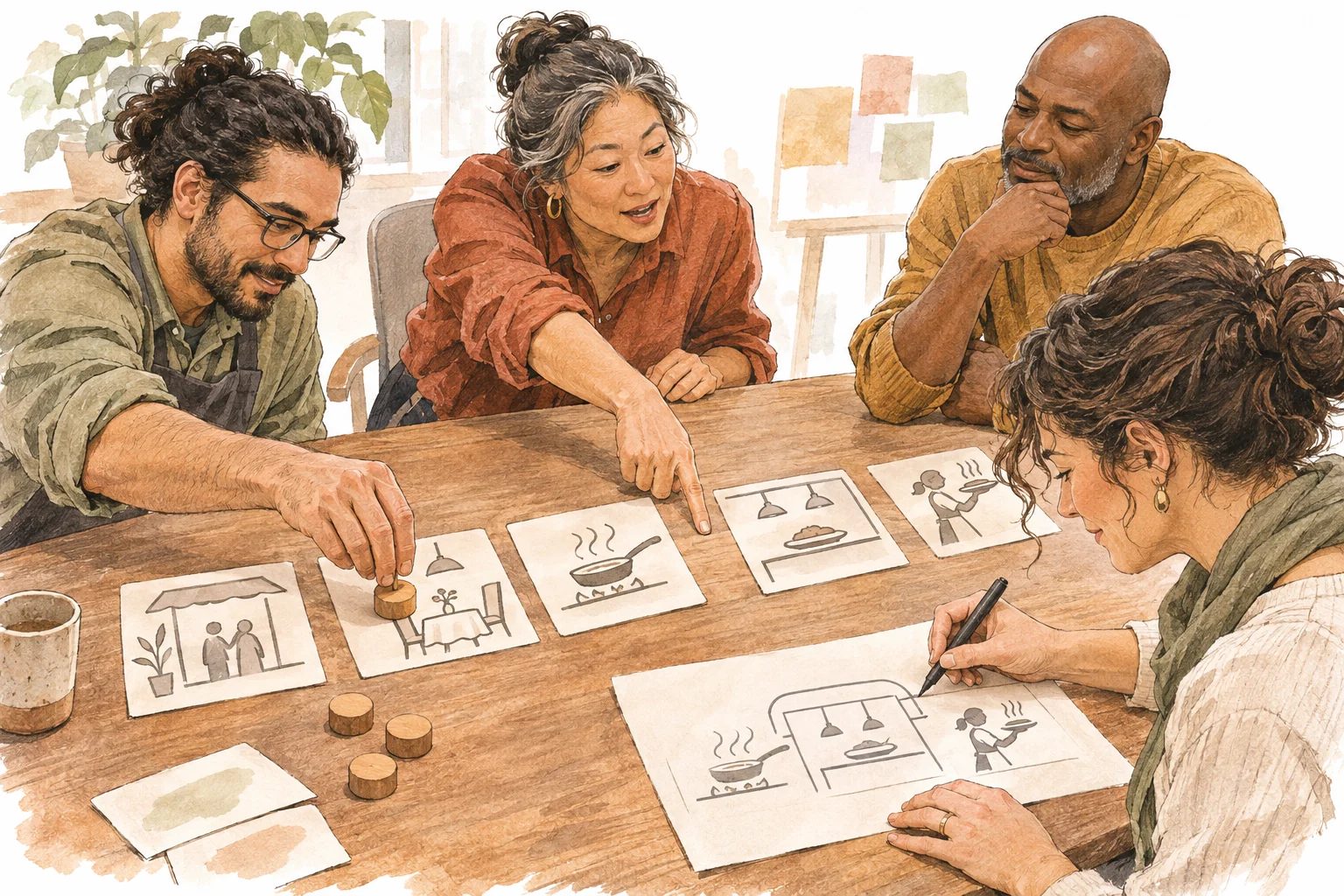
Make the thinking visible.
Create something others can examine: a recommendation, a plan, a message. Explain the reasons and uncertainties behind it.
“Can someone else understand why we made this choice?”

Meet what happens next.
Put a choice into contact with action and response. Reflect on the encounter, then decide what to retain or revise.
“What does this response ask us to reconsider?”
Design lenses, not a fixed sequence. Building on Idit Harel’s Three X’s, with Experience as the extension developed in this book. Explore the influences ↗
Inside the book
From one decision
to a world
that remembers.
Twelve chapters move from a philosophy of rehearsal to practical choices about experiences, assessment, artificial characters, and a curriculum that adds up.
Read a samplechapters of ideas
you can put to work
01The Right to Rehearse
What should people have the chance to practice before we expect them to carry responsibility? Begin with supported opportunities to notice, decide, and reconsider.
From Enter the Possible
02Knowing Is Only the Beginning
Knowledge needs a place to work. Connect what learners understand with the situations in which they will have to use it.
From Enter the Possible
03Something Worth Deciding
Design a decision with competing needs, incomplete information, and consequences that make the reasoning worth examining.
From Enter the Possible
04Explore, Exchange, Express, Experience
Four design lenses for investigation, perspective, visible thinking, and encounters with what happens next.
From Enter the Possible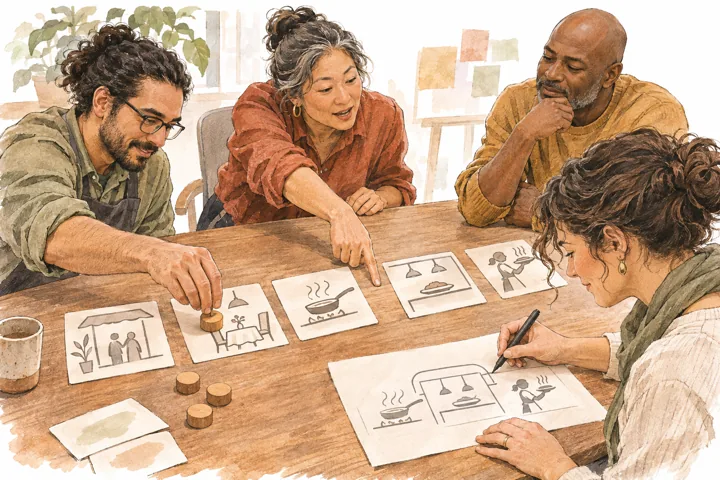
05Everyone Has a Different Window
Give different people different information. Let learners discover how another perspective changes what a situation seems to require.
From Enter the Possible
06A World That Remembers
Let decisions carry forward. Revisit earlier commitments and discover what changes when the next activity inherits a history.
From Enter the Possible
07Safe Enough to Try, Serious Enough to Matter
Build conditions for supported risk, purposeful participation, and reflection without making failure a spectacle.
From Enter the Possible
08The Teacher as Experience Designer
Shape the situation, choose the constraints, notice what learners need, and make room for instruction at the moment it matters.
From Enter the Possible
09Artificial Characters, Human Judgment
Consider how artificial characters can support an encounter while educators retain responsibility for the learning design and its limits.
From Enter the Possible
10What Counts as Learning?
Look beyond participation. Examine the evidence learners use, the reasons they give, and what they can reconsider.
From Enter the Possible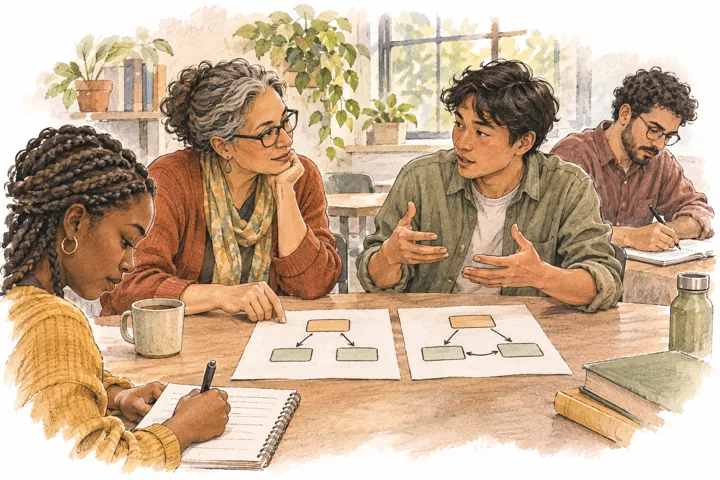
11Begin with Fifteen Minutes
Start with one manageable decision. Try an equipment-desk activity that turns a stock record into a question about responsible promises.
Try the activity
12A Curriculum That Adds Up
Connect experiences across courses so that knowledge, decisions, and responsibility have somewhere to accumulate.
From Enter the Possible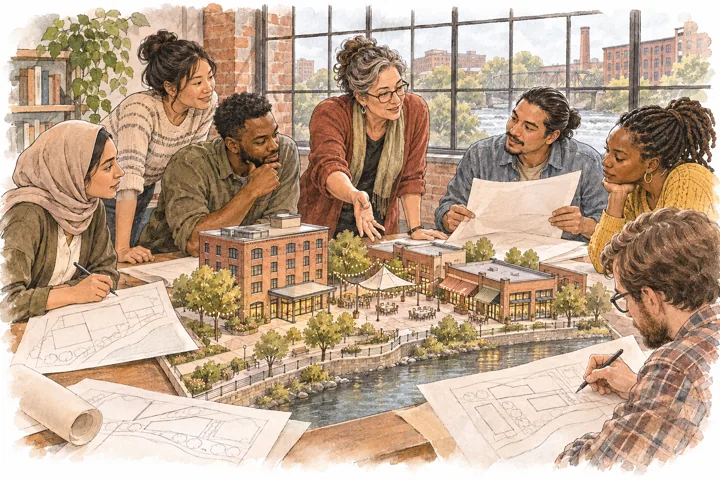
Knowledge deserves careful teaching.
Its use deserves careful teaching too.
Richard P. Mislan, PhD — Enter the Possible
Small enough to start
Begin with
fifteen minutes.
You don’t need an entire simulated world to begin. One request, two possible responses, and a change in the evidence can make a decision worth examining.
Try the equipment-desk activityAdapted from Chapter Eleven. Try it yourself or with a partner.
 THE REQUEST“Can I collect the recorder this afternoon?” ↗
Your next chapter begins here
Enter the Possible
Learning to Act When the Answer Is Not Given
A practical philosophy for educators, trainers, and learning designers who want to connect what people know with what they can do.
See the available editions and current pricing on Amazon.